
The Meaning of Addiction
Beautiful Boy: A Father's Journey Through His Son's AddictionThis thematic thread traces how David Sheff tests competing explanations of addiction, from moral judgment and family blame to a chronic disorder that demands both compassion and accountability.
increasing Bearing strength in each event
 decreasing
Bearing strength in each eventdecreasingA Father’s Familiar Hypocrisy
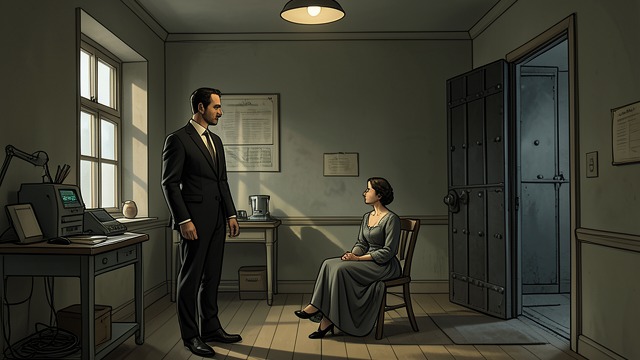
The Parent Who Once Used
Personal history complicates advice
David has used drugs in his own youth and admits this history to Nic. He hopes that firsthand experience will give his warnings credibility, but also wonders whether his own example undermines them.
Nic later points out the contradiction when David cautions him against marijuana. The father has to face that good intentions do not erase the mixed message of his past.
Cause remains uncertain
David considers whether his example contributed to Nic’s choices. The question is important to him, but the narrative does not turn it into a simple explanation for addiction.
The Disease Debate
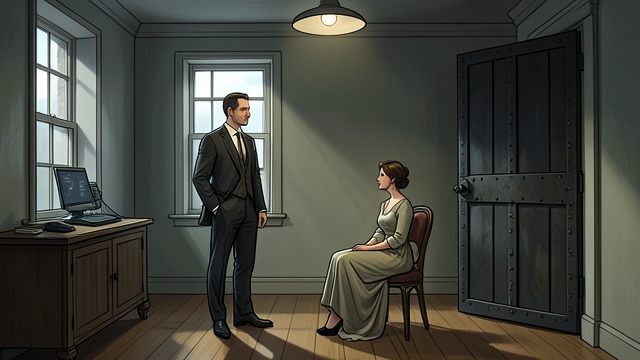
Illness and Responsibility
A contested model
A lecturer describes addiction as an illness with a biological predisposition that can be activated by drug use. A family member objects that illness language seems to excuse theft, lying, and deliberate drug-seeking.
The lecturer distinguishes having a disorder from choosing how to respond to it. Addiction can impair control, she argues, while treatment still requires participation and accountability.
No easy moral category
David shifts between believing Nic is in control and recognizing that he is out of control. The conflict reveals why addiction is difficult to explain through either blame or absolution alone.
The Brain on Meth
Biology Enters the Story
Research and damage
David learns about studies describing altered dopamine systems, depression, anxiety, and cognitive difficulties in people withdrawing from methamphetamine. Edythe London’s brain images make the biological cost especially vivid to him.
Stephen Kish’s research offers a limited source of hope: some neural systems may recover over time after abstinence. The possibility depends on sustained time away from the drug, not on a brief promise.
Evidence does not predict one life
The research helps David understand why Nic may struggle to engage with treatment. It does not tell him exactly what Nic’s brain can recover or whether he will remain abstinent.
The Ghost and the Son
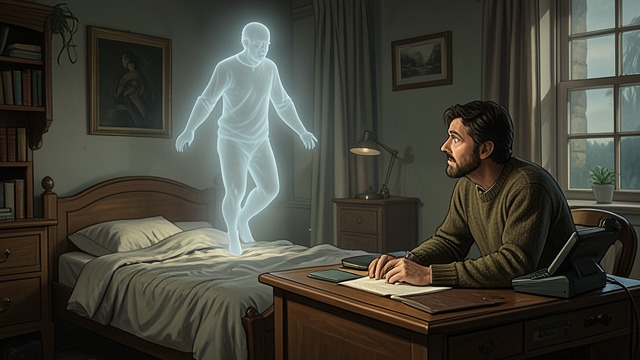
Separating Person from Behavior
An emotional distinction
David thinks of Nic when high as a ghost: an apparition of his son, distant and destructive, unlike the loving person he knows in recovery. This image helps him preserve affection amid anger and fear.
The distinction also risks making the harm seem unreal. Nic’s actions still affect the family, regardless of how David understands the person acting through addiction.
Love without denial
David’s evolving view holds two truths together: Nic is ill, and accountability matters. The image offers emotional survival, not a way to erase consequences.
A Chronic, Uncertain Illness
Living Without a Guarantee
From cure to management
David comes to understand addiction as a chronic illness that may enter remission but is not simply cured. A period of sobriety can be profound and still be followed by relapse.
That understanding changes what he expects from treatment. Rehabilitation can interrupt dangerous patterns and support recovery, but it cannot promise a final outcome.
A different measure of hope
The family’s hope becomes less like certainty and more like continued possibility. They can love Nic and support recovery while admitting that nobody knows what will happen next.
After Nic Sheff’s first marijuana discovery
During family education at St. Helena Hospital
During David Sheff’s research into methamphetamine
During David Sheff’s reflections on Nic’s relapses
Near the book’s conclusion
